Viral fever is a common condition affecting people of all ages, including children and the elderly. Generally, this fever is mild and lasts for 3 to 5 days. Sudden high body temperature, weakness and joint pain can be the symptoms of viral fever. Urgent medications and treatment can heal this condition. A viral fever is a temporary rise in body temperature caused by a viral infection. Understanding the causes and risk factors of viral fever can help in managing, controlling and beating this condition.
Viral fever is a condition in which your body’s immune system responds to a viral infection. Your body temperature gets higher than normal, and you feel some kind of discomfort with weakness, lack of energy, and other complications that may last for a few days until the virus stays in your body. Common viral fevers that are caused by viral infections are dengue, common influenza, cold, and chikungunya.
Many symptoms are associated with viral fever, including
- Body pain
- Joint pain
- Chills and fatigue
- Headache with fever
- Body temperature
- Throat soreness
- Runny nose and nasal congestion
- Digestive disorders like nausea, vomiting, and diarrhoea
- Loss of smell and taste
Generally, those symptoms of viral fever are normally subtle; in many cases, it can get severe from mild, and blood tests help in diagnosing the causes and significance of viral fever.
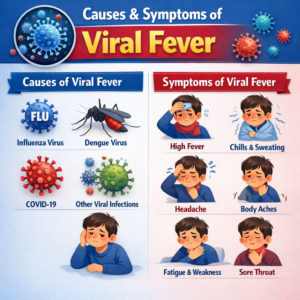
Do you know that viral fever and seasonal illness do not happen on their own? When your body is in contact with a viral infection, it starts to have a high body temperature and other complications. Viruses like,
- Adenovirus causes pneumonia, bronchitis
- Coronavirus causes COVID-19
- Herpesviruses cause Herpes, Chickenpox
- Orthomyxoviruses cause Influenza
- Retroviruses cause AIDS and a few Cancers
- Hepadnaviruses cause Hepatitis
- Mosquito-borne viruses cause Dengue, Zika, and Chikungunya
The duration of viral fever and seasonal illness depends primarily on the infection and its severity. If the virus is mild, recovery typically takes 3 to 5 days. But for a chronic virus or disease, if the condition gets severe, it will take more than 10 to 15 days for recovery. Weakness after a viral fever is also common, and it typically resolves with rest and a healthy diet.
Fever is the body’s natural response to infection, with body temperature rising above 100°F (37.8°C).
- Viral Fever:
Caused by viral infections spread through air, droplets, or contaminated surfaces. It usually lasts for a few days and is associated with symptoms such as cough, cold, sore throat, headache, and body pain. Viral fevers are generally self-limiting and do not require antibiotics. - Bacterial Fever:
Caused by bacterial infections that may enter the body through contaminated food, cuts, or respiratory droplets. These infections can lead to conditions like pneumonia, urinary tract infections (UTIs), or typhoid. Symptoms often include high fever, chills, nausea, and vomiting. Antibiotics are usually required for treatment, as prescribed by a doctor.
Although the symptoms may appear similar, diagnostic tests such as blood tests or urine tests help distinguish between viral and bacterial infections.
While both bacterial and viral fever has similar effective tendencies and exposures to the infections, they can be managed with antibiotic treatments as suggested by your doctor. And also several blood tests, urine tests and other tests may be recommended depending on the symptoms and severity of the fever to diagnose its causes.
Persistent fever can cause of othe diseases. Get blood tests to know the cause of fever at Nirnayan Healthcare.
Seasonal illness & viral infection can cause viral fever. Get tested at Nirnayan Healthcare at a reasonable price to diagnose viral fever.
Feeling feverish during seasonal illness due to viral infections can significantly affect our immune system support, and you can prevent it with some home remedies. Below are some effective home remedies for viral fever:
- Stay hydrated: During viral fever, dehydration is common. So drink plenty of water and electrolytes to keep your body adequately hydrated.
- Have sufficient rest and sleep: While in viral fever, your immune system support is getting weak, and you feel drowsy and tired all the time. So take enough rest and sleep
- Fever Management: You can use over-the-counter medicines to bring down body temperature and ease discomfort. Always stick to the advised dosage, and if the fever doesn’t go away or keeps returning, make sure to consult a healthcare professional.
- Proper nutrition: In a fever, a healthy diet is important for maintaining your body’s energy. Avoid heavy spicy foods, and have soup, non-spicy, light-boiled foods, and vitamin-rich fruits to keep your immunity strong. Because weakness after a viral fever is common.
- Cold compression: Wash yourself with lukewarm water that gives you relief and freshness.
- Avoiding Strenuous Activities: Skip heavy physical exertion during a viral fever, as your body needs to conserve energy to recover and fight the infection effectively.
- Steam inhalation: If you have nasal congestion or a runny nose, then you should use steam inhalation, which gives you relief from a stuffy nose and breathing difficulty.
People who have suffered from viral fever want instant remedies. Over-the-counter medicines help in faster recovery from viral fever. Obviously, those medications are suggested by your medical professionals. Avoid workouts, long walks, and physically demanding tasks until the fever subsides fully.
When to see a doctor:
With proper care, medications and remedies, most viral fevers resolve. However, if your body temperature does not decrease and remains above 103°F (39.4°C) for more than 3 days, you should seek urgent medical attention for further treatment. The doctor may ask you to undergo several blood tests, and you can find Nirnayan Healthcare, the best laboratory chain in Kolkata, for accurate and reliable testing.
Conclusion:
Although viral fever & seasonal illness are common in all ages, it is essential to deal with them properly and seek treatment. Weakness after viral fever is common, so they prefer a proper healthy diet and take rest to gain adequate body energy to combat current infections. Nirnayan Healthcare evaluates a comprehensive blood test for diagnosing viral infections and diseases. Prevent viral infections through maintaining hygiene, a healthy diet and an active lifestyle.