



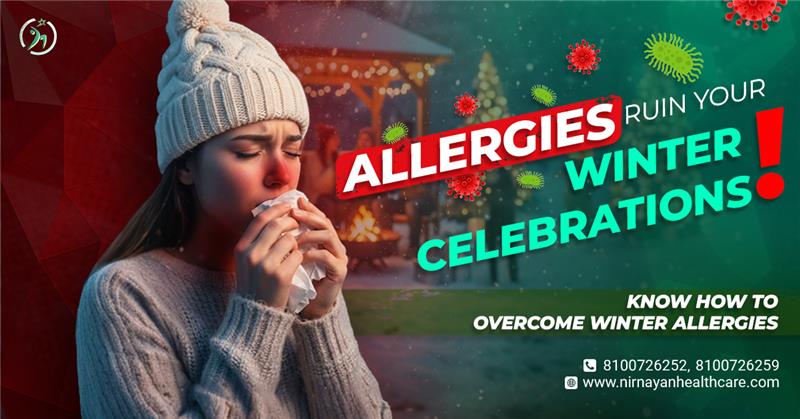
Winter – the season of relaxation, celebration, and new resolutions- embrace a new year with utmost joy and new hope. All these happenings can be completed if you are healthy and fit. But some unusual circumstances can interrupt the flow, and your normal days in winter become special with common winter allergies. Sneezing, coughing, and runny noses may disrupt your enjoyment while you are in search of medical attention.
Winter dust, pollen, and mites can be the causes of winter allergies. Let’s have a comprehensive look at the causes and symptoms of winter allergies, and also understand what complications can affect your immunity with winter allergies.
What are common allergies in winter?
Commonly, in winter, allergic reactions increase under certain circumstances as the weather changes, with high rates of pollens, dust, and mites. Winter allergies are nothing but allergic reactions to the winter season, caused by indoor and outdoor substances like pollen, mould spores, pet dander, and dust mites. Due to indoor exposures, winter allergies can occur even if you are indoors.
Potential symptoms of winter allergies:
The winter allergy symptoms can be related to common cough and cold, and common allergens. Symptoms include,
- Winter sneezing
- Runny nose
- Nasal congestion or a blocked nose in winter
- Red and watery eyes
- Sore throat
- Skin rashes/ irritations
- sinus congestion
- Respiratory discomfort, like a breathing problem, coughing
What are the causes of winter allergies?
As the time comes to November, allergens start to affect your health and make you fall into the allergy games, where you suffer from various complications. Do you have any information that what makes your allergy level higher, especially in winter? Here they are:
Indoor allergens – common allergens in winter:
As you spend more time indoors in winter, you are more affected by indoor dust, mites, pollen, and indoor pollutants.
Dust mites can be noticed on furniture, carpets, couches, beddings, and clothes as they may grow faster in warm indoor weather, which leads to higher chances of allergic reactions. Those are the common reasons for carpet dust allergy in winter.
Indoor air quality in winter:
Does your home have damp areas? Then you must renovate it, especially in bathrooms or basements, where air quality gets more humid – pollen must grow there easily. Indoor plants and soils cause mould release into the air that causes allergic reactions.
Pet dander:
Are you a pet lover? Beware of pet dander and their skin flakes, which contribute to higher chances of allergic exposure among all.
Pests:
During winter, pests like cockroaches and rodents sneak indoors for warmth. Their droppings, saliva, eggs, and shed skin release proteins that can trigger allergic rhinitis symptoms.
Dry air allergy is one of the common allergens in winter that causes several allergic reactions in the body. Dry winter air and hidden indoor pollutants are some of the strongest winter asthma triggers.
Weakened immunity in winter:
In winter, a rational change in your immune system can be attributed to cold environments, viral diseases, and other health complications. Low levels of vitamin D and lack of sunlight can also reduce your immune responses.
What is the difference between cough & cold and winter allergies?
Allergies and colds are typically different because of their causes and roots. Colds may happen due to exposure to any virus, infection, or bacteria; on the other hand, in common allergens in winter, your immune system overreacts to harmless things like dust or pollen. Where in colds, you feel fever, body pain, headache, or chronic cough, but for allergies, you don’t get such symptoms as those of a common cold; rather, you experience itching, runny nose, red eyes, watery eyes, and skin rashes.
How to diagnose your winter allergies?
Your medical professionals may ask you to do allergy profile tests through a blood test, by which you can confirm your allergens. Depending on the test result, you may be recommended to avoid such allergy exposures by changing your food habits and through medications.
In some cases, Immunoglobulin E blood tests can be recommended when an individual experiences certain allergens that enter the body and cause an allergic reaction. This blood test helps to detect the presence of these antibodies, and thus medications for anti-allergens will be provided.
Ways to manage winter allergies:
As winter allergies arise mostly from indoor pollutants, it is recommended to follow some home allergy prevention tips, as well as avoiding or reducing outdoor allergy exposures, can take control over winter allergies.
- Vacuum your indoor area regularly
- Keep clean and dust-free rooms and furniture
- Wash the curtains, bed covers, and pillow covers daily
- Maintain hygiene and seal it while keeping your food at home
- Bathe your pet and wash their items and beds to keep them clean and hygienic
- To maintain indoor humidity, you can use a humidifier or a dehumidifier, depending on your concern
- If possible, use an air purifier to keep indoor air clean and fresh
If any individual is familiar with winter allergies, it is recommended to consult a doctor, get blood tests, and be concerned about avoiding such allergen exposures if possible.
Treatment of winter allergies:
Not all types of allergies can be handled with home remedies and avoiding allergen exposure. In several cases, medications, thorough checkups, and lifestyle management can lead to a reduction in allergy risks.
Medications: OTC (over-the-counter) medicines help in managing your allergies and protect you from allergen exposures.
For stuffy nose or nasal congestion in winter and inflammation, nasal corticosteroids such as fluticasone or mometasone can be suggested.
Immunotherapy and allergy shots: The doctor may recommend allergen immunotherapy, by which specific allergens are injected into their body to reduce the chances of being affected by allergies.
Lifestyle modifications: In similar ways, it is necessary to avoid allergens or lower the chances of getting exposed to indoor and outdoor allergen substances. Lifestyle adjustments such as maintaining hygiene and clean indoor surfaces, dust-free surroundings, and avoiding pet dander also contribute to allergy treatment.
Contact Nirnayan Healthcare, the best laboratory chain across Kolkata provides the Allergy Panel Test at a reasonable price and get tested.
Can winter allergies be prevented?
Winter allergies basically aren’t a life-threatening disease; with medication, precautions and lifestyle modifications, you can easily manage it. For winter allergies, stronger immunity helps to reduce them. Avoiding the allergens, both indoor and outdoor, is always important. Stay cautious of common winter asthma triggers such as dust mites, mould, and cold air that worsen breathing issues. But for food allergies, please check your food chart and have meals accordingly and avoid such food items where you may get chances of allergic reactions.
Conclusion:
For proactive allergy treatment in winter, contact Nirnayan Healthcare, the best pathology lab in Kolkata. Nirnayan has home blood sample collection for you and your family to provide easy access to pathology services. Winter allergies are common in children and older people, while awareness and prevention can be essential to detect and prevent them better. Allergies depend on their level, exposure to allergens and health condition. Stay informed about your allergic reactions and beat winter allergies on its way.