


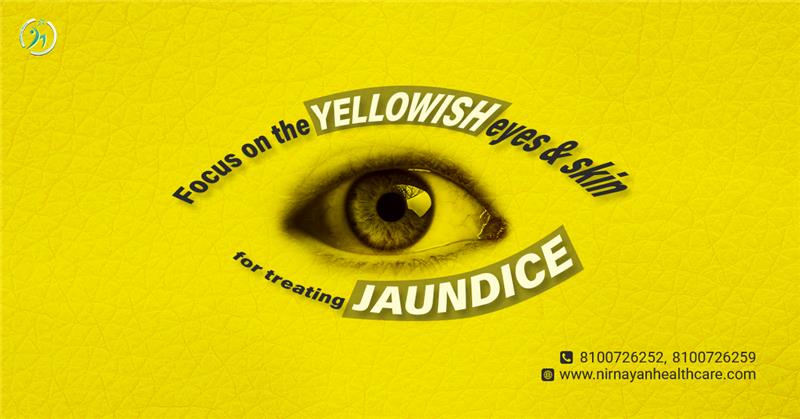
Have you got yellowish eyes or skin? Or your white eyes turn yellow! It could be jaundice, a condition in which your liver is infected or has a disorder. Jaundice is a symptom or sign of a liver function disorder when your bilirubin level increases, turning your skin yellow. While it can seem alarming at first glance, it’s usually a symptom of an underlying issue rather than a disease in itself. Hepatic jaundice, along with other types, could be life-threatening if left ignored – most children experience its effects with severe causes and consequences, but it is generally cured with on-time medications, restrictions, and lifestyle modifications.
This blog speaks about the possible causes, risk factors, and treatment of jaundice.
What is jaundice?
Jaundice may form when your eyes, skin, or mucous membranes change colour to yellow. In any person, his/her liver is unable to process bilirubin in the blood, and the bilirubin level increases. This can happen due to liver injury or the excessive breakdown of red blood cells.
Along with adult jaundice, in children, jaundice is commonly seen in 60% cases after birth within the next 2 to 3 days.
What are the causes of jaundice?
Jaundice is a typical symptom or a condition that indicates issues with your liver, gallbladder, or pancreas. When you have excess bilirubin, a yellow compound that develops when your red blood cells break down in your blood.
Excess Red Blood Cell Breakdown (Hemolysis): When too many red blood cells break down, the liver struggles to process the increased bilirubin efficiently.
Liver Damage or Overload: If the liver is damaged or overworked, it can’t process bilirubin correctly, leading to its accumulation in the body.
Impede Bilirubin Transport: If the liver is unable to move bilirubin into the digestive system as it normally would, it can cause the pigment to build up in the bloodstream.
Common conditions that may cause jaundice in your body include:
Liver Infections: Viral infections like hepatitis A, B, C, D, and E, or parasitic infections, can impact your liver function and lead to jaundice.
Congenital Disorders: Conditions that are present from birth, such as Gilbert syndrome, Dubin-Johnson syndrome, Rotor syndrome, or Crigler-Najjar syndrome, interfere with the body’s ability to process and eliminate bilirubin, causing jaundice.
Chronic Liver Disease: Diseases like advanced non-alcoholic steatohepatitis (NASH) or cirrhosis can severely affect your liver function and cause jaundice.
Drug Overdose and Toxic Exposure: Such medications and their dosages can cause severe liver inflammation and jaundice. Medications like acetaminophen in excessive amounts, or reactions to certain drugs, chemicals, or poisonous substances (like toxic mushrooms), can damage the liver and trigger jaundice.
Gallstones or Gallbladder Disorders: These can block the bile ducts, preventing bilirubin from being eliminated properly, causing it to accumulate in the bloodstream.
Blood Disorders: Certain conditions that destroy red blood cells, like hemolytic anaemia, can also increase bilirubin levels.
Pancreatic Cancer: Tumours in the pancreas can affect bile flow and liver function, leading to jaundice.
Pregnancy-Related Jaundice: In some cases, during pregnancy, the growing pressure on the gallbladder and bile ducts can lead to bile accumulation, causing jaundice of pregnancy.
Jaundice may also develop due to cirrhosis of the liver, where long-term damage leads to liver scarring and reduced liver function. When jaundice occurs, it often signals that one or more of these vital organs cannot work properly, requiring prompt medical attention for diagnosis and treatment.
Types of jaundice & their causes:
Pre-hepatic jaundice happens when your red blood cells break down excessively that your body is unable to process bilirubin in the blood at that moment. Conditions that cause pre-hepatic jaundice are:
- Several infections
- Medication side effects
- Leukaemia
- Autoimmune disorders
- Hereditary disorders
In hepatic jaundice, your liver fails to remove bilirubin from your blood. Mostly in patients who have liver failure may have higher risks of hepatic jaundice. Some health conditions that develop hepatic jaundice are:
- Chronic Hepatitis A, B, and C
- Autoimmune diseases
- Genetic disorders
- Medication side effects
- Hepatitis due to alcohol
Posthepatic jaundice, also known as obstructive jaundice, occurs when bilirubin accumulates after leaving the liver, and the body is unable to eliminate it efficiently. Some health conditions or complications which trigger Posthepatic jaundice are:
- Pancreatic cancer
- Gallstones
- Infections
Symptoms of Jaundice:
The primary symptoms of jaundice are yellowing of the eyes and skin. Apart from this, some other symptoms you may notice if you suspect jaundice:
- High fever
- Feeling weak
- Urine colour changes to dark
- Unnecessary weight loss
- Abdominal pain
- Body pain
- Feeling weak or drowsy
- Unusual irritation
Prevention of jaundice:
As there are many types and causes of jaundice, some general preventive tips are mentioned below for treating jaundice at home:
- Stop smoking
- Quitting alcohol
- Maintain a healthy or prescribed diet
- Intake sufficient water
- Safe sex practices
- Manage your cholesterol level
Treatment for Jaundice:
In case of adult jaundice, treatment depends on the type of jaundice. There are no specific treatment options for jaundice; your healthcare professional will advise you to follow medications and some preventive tips which help in reducing bilirubin levels in the blood and improve jaundice. The doctor will guide you in treating the conditions which cause jaundice in your body.
For Hemolytic Jaundice (Pre-hepatic):
Blood Transfusions: In cases of severe anaemia or blood disorders, transfusions may be necessary to replenish red blood cells.
For Hepatic Jaundice (Liver-related):
Antiviral Medications: If jaundice is caused by hepatitis, antiviral treatments can help reduce liver infections.
For Post-hepatic Jaundice (Bile duct obstruction):
Surgical Removal of Gallstones: In the case of gallstones causing bile duct blockages, surgery may be recommended.
Hemolytic Jaundice:
This type of jaundice occurs when your red blood cells rapidly break down than normal and increase bilirubin levels in the liver. If your liver is unable to process this excess bilirubin in the blood, it turns to jaundice. The most common symptoms of hemolytic jaundice are yellowing of the skin and eyes. Treating hemolytic jaundice involves addressing the root cause of hemolysis, managing symptoms, and supporting liver function to help clear excess bilirubin from the body.
Is jaundice a sign of liver damage?
Yes, Jaundice is a condition where your liver fails to process bilirubin and is not functioning properly. Though jaundice is a serious liver problem and it requires urgent treatment. It can be the signs of other liver diseases like liver cirrhosis, liver failure, hepatocellular dysfunction, and liver cancer.
How to identify jaundice at home?
To check if you have jaundice or not at home, it’s easy to identify by checking your eyes or skin colour. For adult jaundice, if you have seen your
- Skin or eyes change colour to yellowish,
- Noticing dark colour urine or stool
- Unwillingness to eat
- Abdominal pain
For children, if you observe that the urine colour turns yellow, it’s better to consult with your doctor and get tested with blood tests.
Diagnosis of jaundice:
Blood tests for jaundice are crucial when you have noticed yellowing of the eyes and skin. Tests like the Bilirubin Test, the LFT test, and other recommended tests help in diagnosing liver health and bilirubin levels. Contact Nirnayan Healthcare, the best laboratory chain in Kolkata, which provides all types of blood tests at a very reasonable price.
What is the normal bilirubin range in adults?
The normal bilirubin range in adults is 0.3-1.2 mg/dL. The range of Direct (Conjugated) Bilirubin: <0.2 mg/dL, and unconjugated bilirubin is 0.2-0.8 mg/dL.
A summary from Nirnayan:
Jaundice is a liver-related disease which has no age limit. From newborns to older people, it can trigger various symptoms. Taking care with proper treatment, regular health checkups and also with blood tests, you can track your liver health and ensure wellness. Nirnayan provides comprehensive tests, test packages, and panel tests for diagnosing any diseases. Don’t get delayed with your health queries; book your blood tests online or offline at Nirnayan Healthcare and get relief with early diagnosis of jaundice.